
Call This Thursday to get $50 Off
Do You Need a Plumber in Savannah
Call us Now to Get $50 OFF.
4.8/5
Ratings based on 1562 reviews
Local Plumbers, Local Reviews
Call This Thursday to get $50 Off
Call us Now to Get $50 OFF.
Ratings based on 1562 reviews
Local Plumbers, Local Reviews

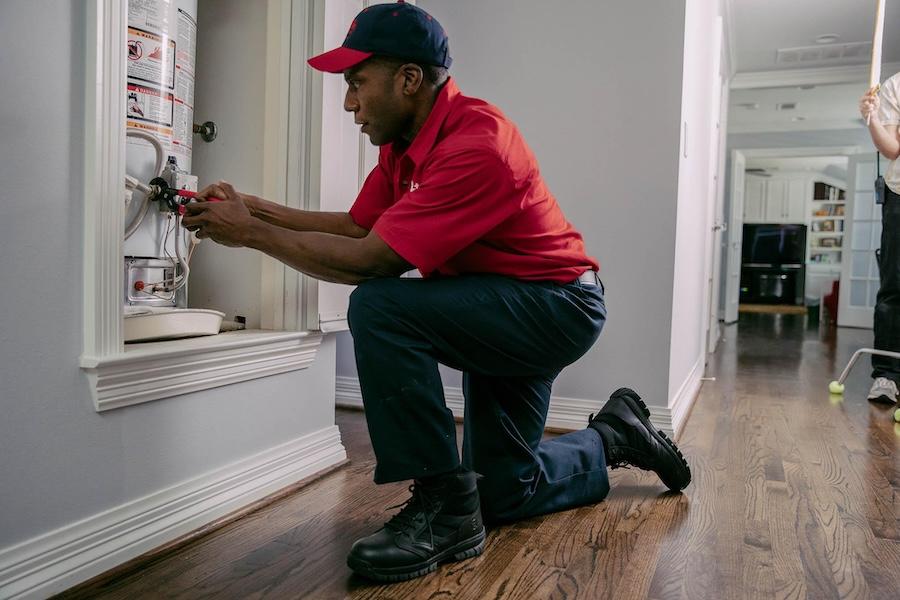
There’s a big debate going on, but don’t worry – it’s not politics. Property owners considering a water heater replacement are deciding between electric vs. gas water heaters, and we are here to help.
In this brief article brought to you by Mr. Rooter Plumbing, we give you everything you need to know about making the decision. If you’d rather consult with a trained plumber, then call Mr. Rooter to schedule a face-to-face meeting or on-site visit. We are proud to serve homeowners and businesses alike.
Before we compare the two water heaters, let’s understand how each type functions:
Though they work differently, both types of heaters ultimately aim to keep your water hot and ready to use. The differences come down to efficiency, cost, installation, and your specific needs as a homeowner or business owner.
When it comes to installation, electric water heaters typically win out. They tend to be simpler to install and require fewer components than gas water heaters, which often need additional ventilation and gas lines.
For a homeowner on a budget, the upfront affordability of an electric water heater makes it a popular choice. For a busy business, however, the upfront investment of a gas water heater may be justified for reasons we’ll get to shortly.
While upfront costs are noteworthy, the operating costs will exceed that in the long-term. It’s important to note that this category is difficult to gauge because electricity and gas prices vary from area to area.
Electric water heaters are more energy efficient as they convert nearly all their energy into heat, but gas water heaters tend to have lower operating costs because natural gas and propane are often cheaper than electricity.
The recovery rate refers to how quickly a heater can heat a new tank of water after the initial supply is used. Gas water heaters generally recover hot water faster, which means shorter waiting times between uses.
If you have a small household or a business with low hot water needs, an electric heater’s slower recovery rate may not be an issue. For larger families or businesses like restaurants that use a lot of hot water, gas could be the better choice.
Electric water heaters are typically simpler and easier to maintain. They don’t have a burner or pilot light that needs servicing. Plus, the absence of combustion reduces wear on parts, meaning you won’t have to worry as much about water heater repair.
When it comes to lifespan, both types generally last around 10–15 years. With that said, electric models may have a slight edge due to their fewer moving parts and lack of combustion-related wear.
Whether you need routine plumbing service or a completely new water heater installation, the trained and uniformed plumbers at Mr. Rooter are here to help. Call or message us today to get in touch and schedule a convenient appointment.
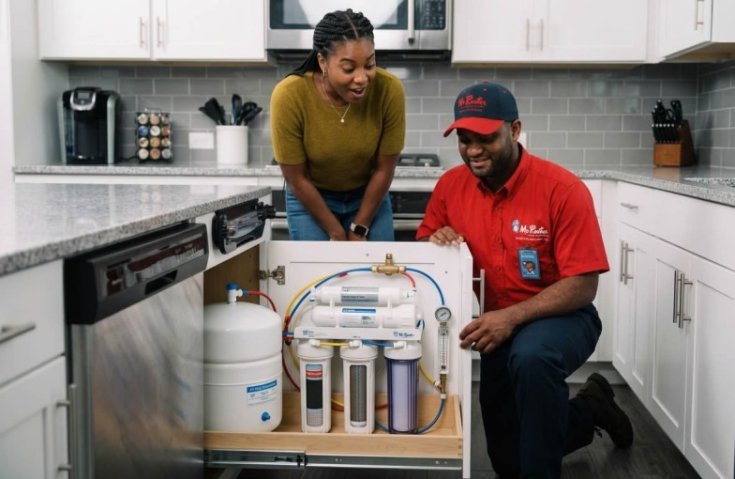
The water coming into your home may look perfectly clear, but that does not necessarily mean it is free from minerals,…
Read More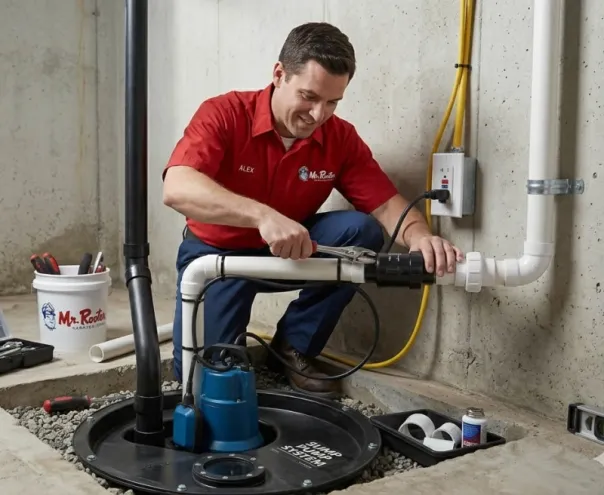
A sump pump plays an important role in protecting your home from water damage, especially if you have a basement or…
Read More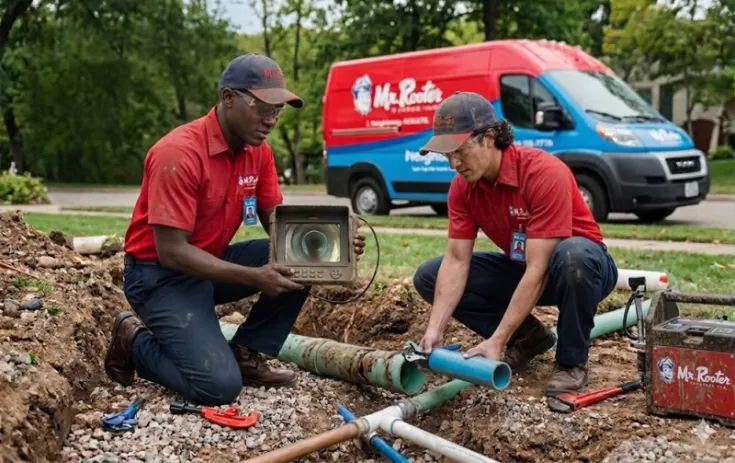
A leaking pipe or damaged plumbing line often catches homeowners off guard. In an effort to save money, many people opt…
Read More
Most homeowners don't think twice about a faucet that drips every few seconds. After all, it's just a little water, right?…
Read More