
Call This Thursday to get $50 Off
Do You Need a Plumber in Savannah
Call us Now to Get $50 OFF.
4.8/5
Ratings based on 1562 reviews
Local Plumbers, Local Reviews
Call This Thursday to get $50 Off
Call us Now to Get $50 OFF.
Ratings based on 1562 reviews
Local Plumbers, Local Reviews
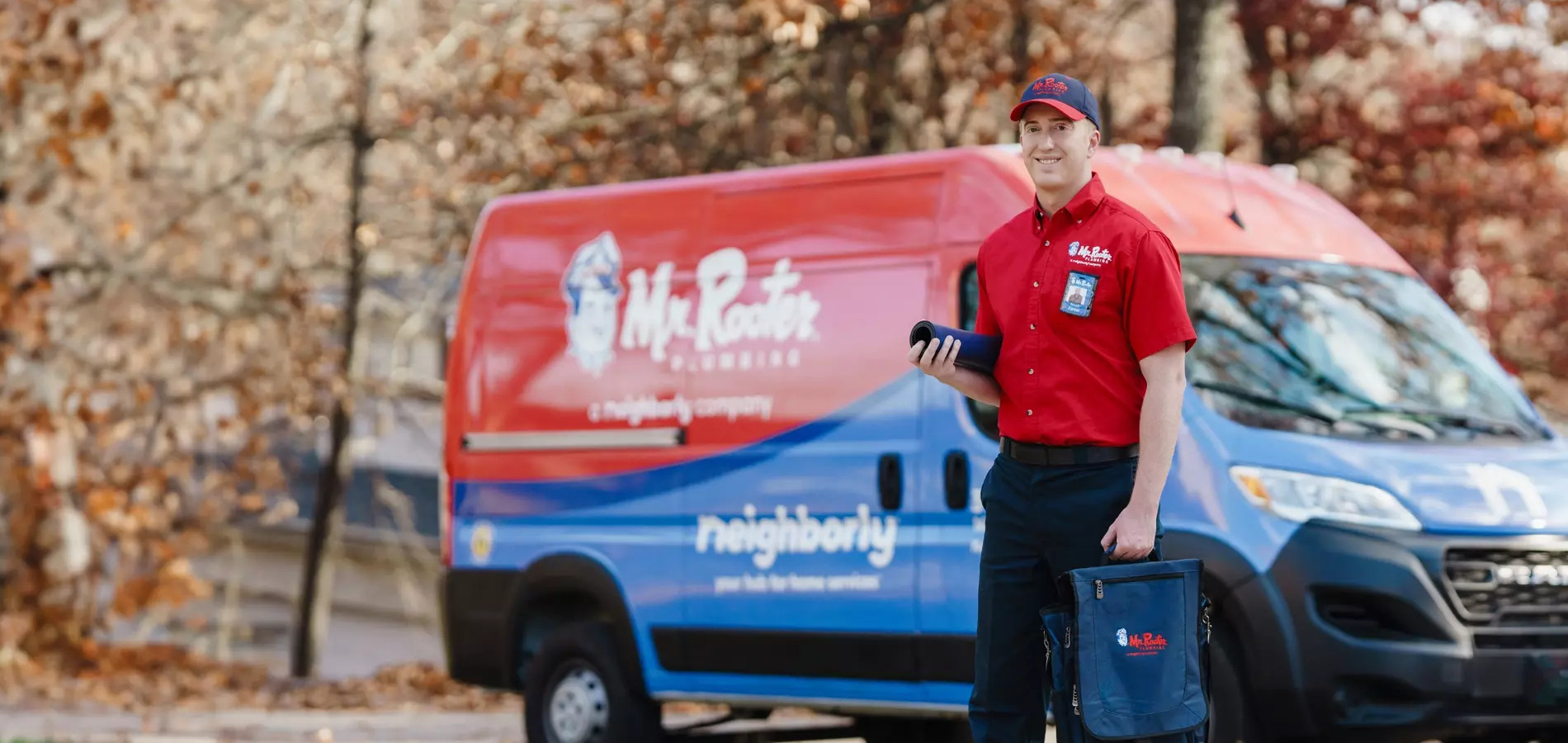
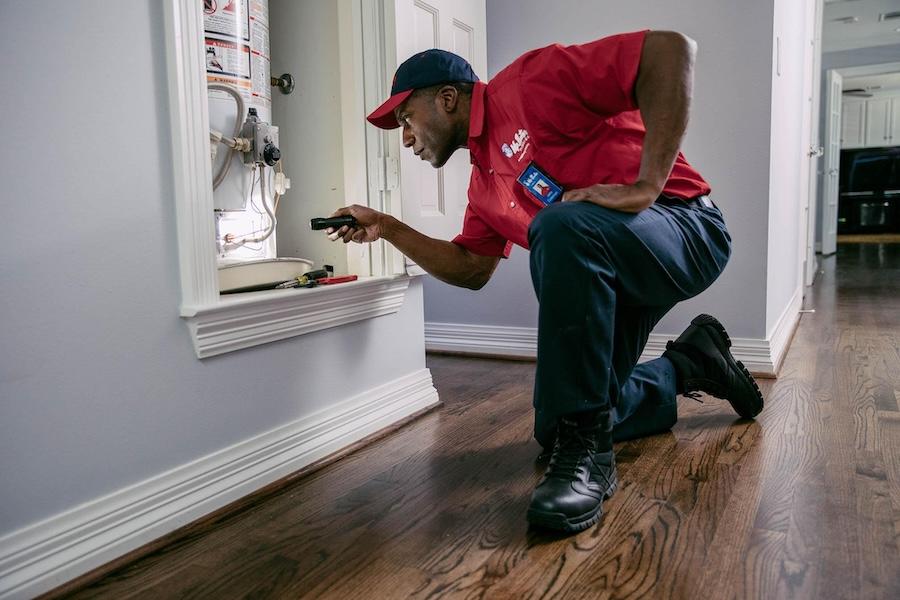
Water heaters can last anywhere between a couple of years to a couple of decades depending on a number of factors which we’ll go over in this article brought to you by Mr. Rooter Plumbing.
If your water heater is demanding plumbing service, then call Mr. Rooter Plumbing to hire a uniformed and trained plumber today. We are happy to schedule a convenient appointment or arrange an emergency dispatch to your home or business as soon as possible.
Most water heaters, whether traditional tank-style or modern tankless units, are designed to last anywhere between 8 to 20 years. While water heaters with tanks fall on the shorter end with a lifespan between 8 to 12 years, the on-demand (or tankless) water heaters can last 20 years or more due to their design and reduced exposure to water.
It’s important to note, however, that several factors including maintenance, water quality, and usage will affect these expected lifespans.
We’ve already mentioned that tankless models generally outlast tank-style water heaters since these units don’t store water and are less prone to issues like rust or sediment buildup, but each is influenced by other factors that affect longevity as well. Here are some common considerations:
A water heater replacement is inevitable, but when is it time to pick up the phone and call Mr. Rooter Plumbing? Typically, we recommend a replacement when the cost of repairs approaches half the cost of a new unit. It’s also wise to upgrade when the life expectancy is fulfilled as old water heaters tend to be inefficient and waste energy.
Moreover, severe corrosion and leaks at the base of the tank also warrant a replacement. Rust-colored hot water could indicate that the tank is corroding from the inside.
Whether you need routine water heater maintenance or the inevitable replacement, it’s always advisable to hire a uniformed and trained plumber in Springfield. Residents in the area can call Mr. Rooter Plumbing to schedule a convenient appointment or request urgent assistance.
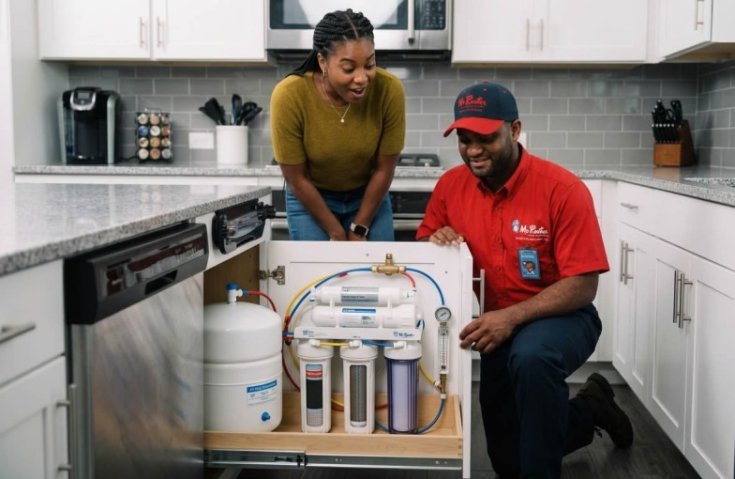
The water coming into your home may look perfectly clear, but that does not necessarily mean it is free from minerals,…
Read More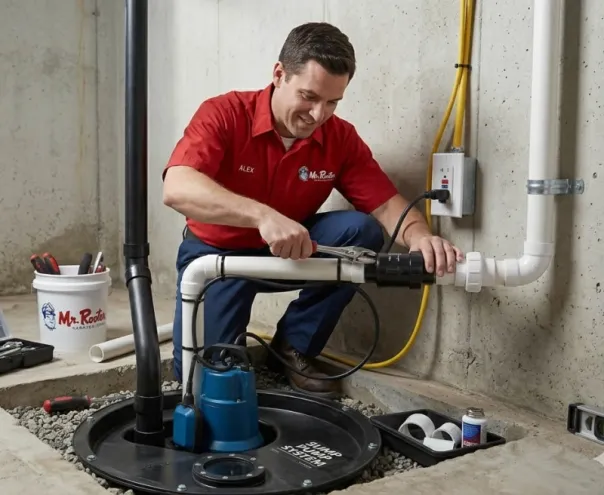
A sump pump plays an important role in protecting your home from water damage, especially if you have a basement or…
Read More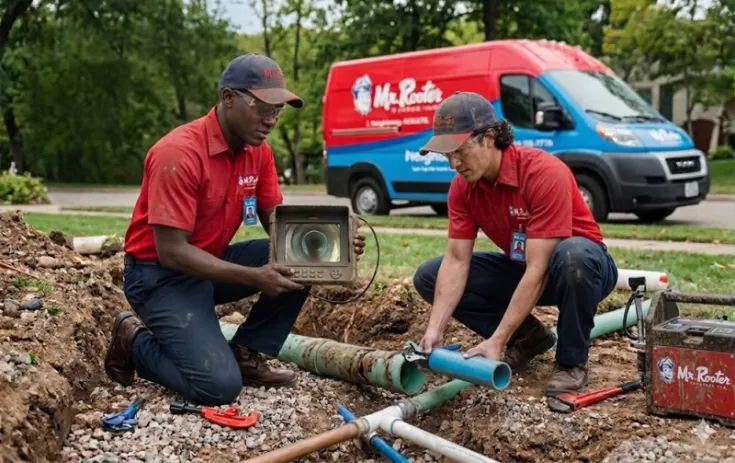
A leaking pipe or damaged plumbing line often catches homeowners off guard. In an effort to save money, many people opt…
Read More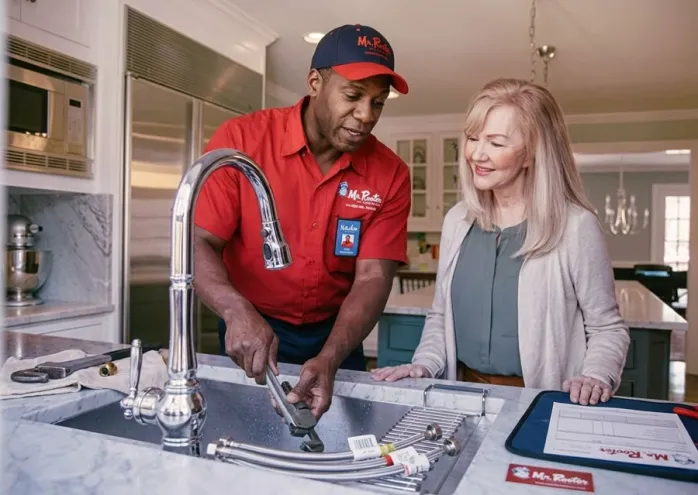
Most homeowners don't think twice about a faucet that drips every few seconds. After all, it's just a little water, right?…
Read More