
Call This Thursday to get $50 Off
Do You Need a Plumber in Savannah
Call us Now to Get $50 OFF.
4.8/5
Ratings based on 1562 reviews
Local Plumbers, Local Reviews
Call This Thursday to get $50 Off
Call us Now to Get $50 OFF.
Ratings based on 1562 reviews
Local Plumbers, Local Reviews
Pipes are one of the most important parts of your home’s plumbing system, quietly carrying water in and out every day. When a pipe breaks, however, the damage can be sudden and costly, leading to leaks, water damage, and even mold growth. Understanding why pipes break and how to prevent it can help you avoid expensive plumbing repairs. Here are the top five reasons pipes fail and what you can do to protect your home, according to our experts at Mr. Rooter Plumbing.
Over time, pipes naturally wear out. Metal pipes, especially those made of galvanized steel or copper, can corrode as minerals in the water react with the metal. This corrosion weakens the pipe walls until they eventually crack or burst. Older homes are more at risk since their plumbing systems may not have been updated for decades.
If your home is more than 40 years old, consider having a plumber inspect your pipes for signs of corrosion. Replacing old pipes with modern materials like PEX or PVC can extend the lifespan of your plumbing system and help prevent leaks before they start.
One of the most common reasons for a broken pipe is freezing. When the water inside a pipe freezes, it expands and puts pressure on the pipe walls. This pressure can cause the pipe to crack or burst once the ice thaws. Even a small split can lead to significant water damage when the pipe starts flowing again.
To prevent freezing, insulate exposed pipes, especially those in unheated areas like basements, crawl spaces, and attics. During extremely cold weather, allow faucets to drip slightly to keep water moving through the pipes. A professional plumbing repair service can also help identify vulnerable areas and properly winterize your plumbing system.
Water pressure that is too high can stress your plumbing system. Pipes, fittings, and joints are designed to handle a specific range of pressure. When it exceeds the safe limit, it can cause leaks, cracks, or even full pipe ruptures.
Have your plumber check your home’s water pressure regularly. Installing a pressure-reducing valve can keep pressure levels safe and consistent, preventing premature wear on your pipes and fixtures.
If you have trees near your home, their roots may be seeking out water sources underground. Unfortunately, that can include your plumbing lines. Roots can grow into tiny cracks in pipes, eventually breaking them apart as they expand. This is especially common in older clay or cast iron sewer lines.
Schedule regular plumbing inspections, especially if your yard has large trees or if you notice slow drains or gurgling noises. A professional plumber can use video inspection tools to detect root intrusion early and recommend root removal or broken pipe replacement before major damage occurs.
Pipes can also break due to movement in the ground around them. Changes in temperature, soil moisture, or nearby construction can cause the earth to shift. Over time, this puts stress on underground pipes, leading to cracks or breaks.
Make sure that any excavation or landscaping work around your property is done carefully to avoid damaging buried lines. If you live in an area with expansive clay soil or frequent ground movement, regular inspections are a wise investment.
A broken pipe is more than just a plumbing problem—it can cause serious property damage if not handled quickly. If you notice water stains, reduced pressure, or unexplained increases in your water bill, call Mr. Rooter Plumbing right away. Our licensed experts offer professional plumbing repair services and broken pipe replacement to restore your system and prevent future problems.
Don’t wait for a plumbing emergency to strike. With preventive maintenance and help from an experienced plumber, you can keep your pipes strong and your home safe from costly water damage.
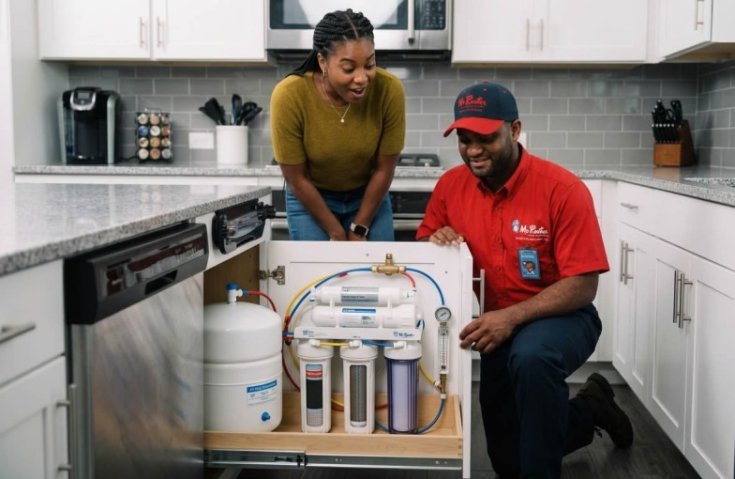
The water coming into your home may look perfectly clear, but that does not necessarily mean it is free from minerals,…
Read More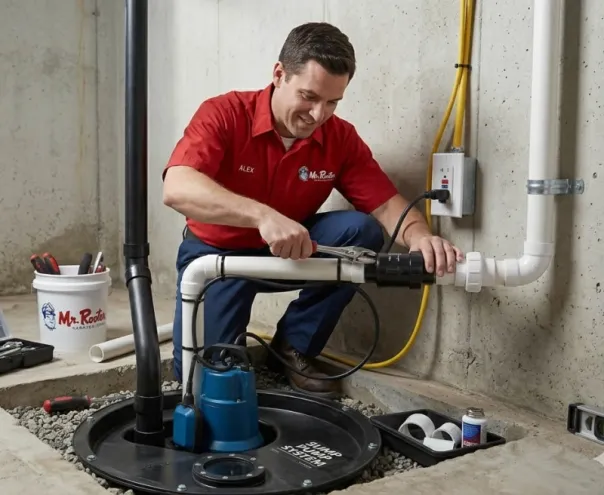
A sump pump plays an important role in protecting your home from water damage, especially if you have a basement or…
Read More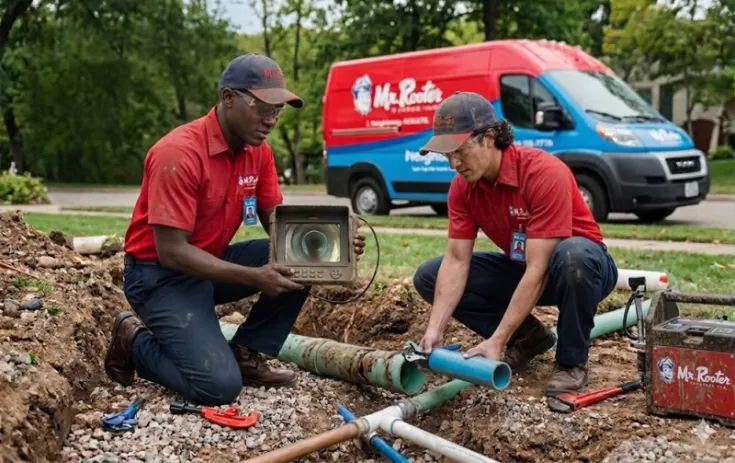
A leaking pipe or damaged plumbing line often catches homeowners off guard. In an effort to save money, many people opt…
Read More
Most homeowners don't think twice about a faucet that drips every few seconds. After all, it's just a little water, right?…
Read More